
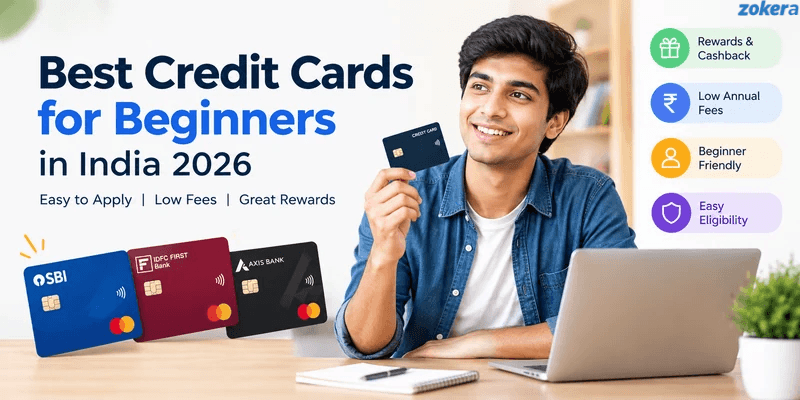
Quick answer: The best credit cards for beginners are the ones you can qualify for, afford to hold, and use without carrying a balance. With steady income, start with a low-fee card such as the IDFC FIRST Millennia or SBI SimplyCLICK. With no income or no credit history, an FD-backed card can be a more accessible route. Approval is never guaranteed, so check the issuer's current terms first.
Key takeaways
Your first card is a credit-building tool. How you use it matters more than which one you pick.
Match the card to your situation: salaried, heavy online spender, no income, or student.
Read fee terms closely. A lifetime-free card can still have optional charges.
A higher credit score can improve your chances of qualifying for unsecured cards, but approval depends on the issuer's criteria.
You can also check current credit card offers on the Zokera Stores page.
How We Picked These Cards
We compared these cards based on factors that matter most to first-time cardholders:
Fees: Annual fees, joining fees, and spending-based fee waivers.
Rewards: Cashback, reward points, and where each card offers its strongest benefits.
Beginner fit: Whether the card is practical and easy to understand for a new cardholder.
Eligibility: Published income, age, credit history, and other basic requirements.
Limits and exclusions: Cashback caps, reward conditions, and major transaction exclusions.
Best use case: Whether the card suits online shopping, everyday spending, UPI, cashback, or users seeking a lifetime-free option.
We used official issuer and regulatory information wherever available. Always check the latest card terms before applying.
Best Credit Cards for Beginners at a Glance
Card | Annual fee | Main reward | Best for | Main drawback |
|---|---|---|---|---|
SBI SimplyCLICK | ₹499 + taxes | 10X at selected partners, 5X on other online spends | Online shoppers | Rewards are points |
IDFC FIRST Millennia | Nil | Up to 10X on eligible dining, travel and international spends; 3X on other eligible spends | Low-cost everyday use | Some UPI-related features can have separate charges |
Axis Neo | Nil | Partner discounts | Everyday discounts | Limited general rewards |
Cashback SBI Card | ₹999 + taxes, subject to current terms | 5% online and 1% offline cashback, subject to caps and exclusions | Heavy online spenders | Category exclusions and cashback caps |
FD-backed cards | Varies by issuer | Depends on issuer | No history or income | Requires a fixed deposit |
Best Credit Cards for Beginners in India 2026
1. SBI SimplyCLICK Credit Card (Best for Online Shoppers)
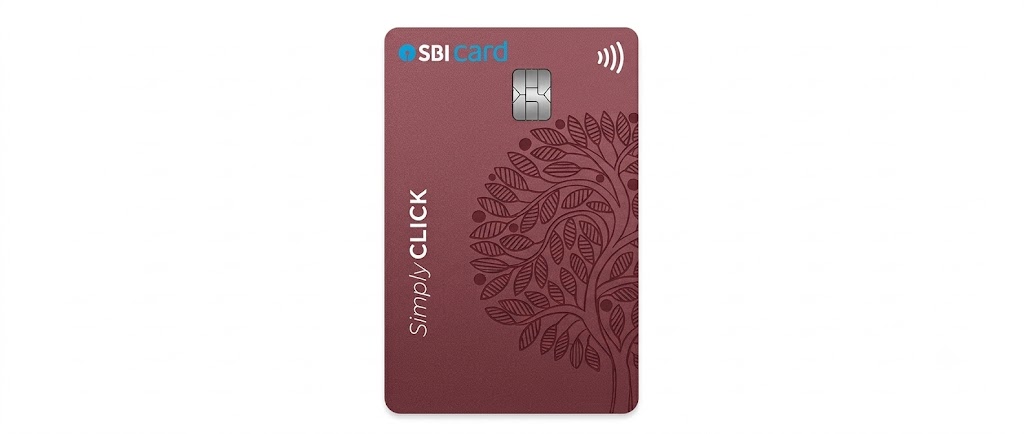
SimplyCLICK rewards online spending, where many first-time cardholders spend anyway. The annual fee is ₹499 plus taxes, and the renewal fee is reversed if you spend ₹1 lakh in the previous year.
Fees
The annual fee is ₹499 plus taxes. The renewal fee is ₹499 plus taxes from the second year. SBI Card reverses the renewal fee when annual spends reach ₹1 lakh.
Rewards
10X Reward Points on online spends with selected partners including Apollo 24x7, BookMyShow, Cleartrip, Domino's, IGP, Myntra, Netmeds, Yatra, Gyftr and Tata Cliq.
Swiggy currently earns 5X rather than the 10X partner rate.
5X Reward Points on other online spends.
1 Reward Point per ₹100 on other spends.
E-vouchers worth ₹2,000 each at ₹1 lakh and ₹2 lakh of annual online spends.
A ₹500 Amazon.in e-gift card as the welcome benefit when the annual fee is paid.
Eligibility
The SBI Card page does not state a single public approval score or income threshold. Check the application flow for the current eligibility criteria.
The Catch
Offline spending earns the base reward rate. Fuel earns a 1% surcharge waiver on eligible transactions rather than reward points. The waiver applies to transactions from ₹500 to ₹3,000, with a maximum of ₹100 per statement cycle.
Best For
Salaried beginners who shop online and want a straightforward points-based card.
2. IDFC FIRST Millennia Credit Card (Best for a Low-Cost First Card)
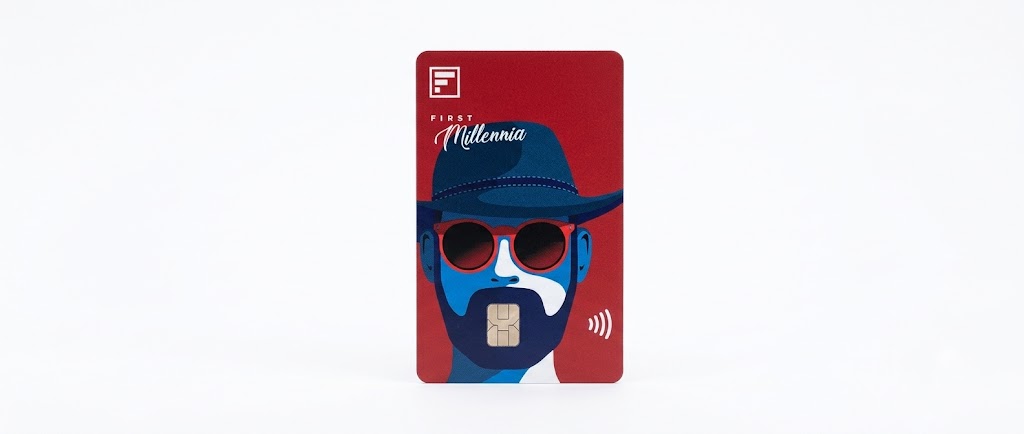
Millennia is attractive as a first card because it has no joining or annual fee. Its current reward structure also gives higher rewards on selected dining, travel, and international spends.
Fees
The card information lists no joining fee and no annual fee. Some features, including FIRST Digital and UPI functionality, can have separate charges, so check the latest schedule of charges before activating them. Add-on cards and card personalisation may also carry charges.
Rewards
Up to 10X Reward Points on eligible dining, travel and international purchases.
3X Reward Points on other eligible spends.
Utility, insurance, FASTag recharge, and railway spends earn 1X under the current reward structure.
Fuel, EMI transactions, and cash withdrawals do not earn Reward Points.
The standard value of one Reward Point is ₹0.25.
Reward Points currently do not expire under the bank's updated programme.
Zero forex markup is a key benefit of the card.
Eligibility
The bank lists an annual income of ₹3 lakh or more for FIRST Millennia. Applicants must also meet the bank's other eligibility criteria, and final approval remains at the bank's discretion.
The Catch
Welcome benefits and promotional rewards have conditions. The bank currently advertises welcome benefits of up to ₹1,500 across its credit card range, but the exact benefit depends on the offer and eligibility. Check the current offer terms before counting it as part of the card's value.
Reward redemption can have a ₹99 plus GST fee under the current programme. The card's interest rate and other charges also depend on the current schedule. Avoid carrying a balance simply to earn rewards.
Best For
Beginners who want a lifetime-free card and will pay the full bill every month.
3. Axis Neo Credit Card (Best for Everyday Partner Discounts)
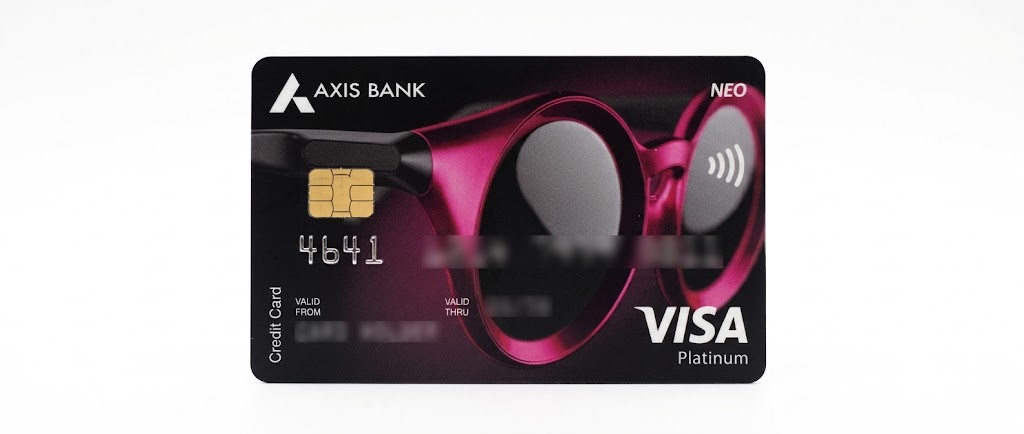
Axis Neo is more useful for partner offers than for general cashback. Its current offers make it suitable for beginners who already use the participating brands.
Fees
The Axis Bank page lists the card as lifetime free, with a ₹0 joining fee and ₹0 annual fee.
Rewards
Flat ₹120 off on Zomato, twice per month, subject to the offer's minimum order and other terms.
10% off on Blinkit, subject to offer terms.
10% off on BookMyShow, subject to offer terms.
Eligibility
Eligibility is assessed by Axis Bank and can depend on your income, credit profile, and other internal criteria. Check the current application page before applying.
The Catch
These are partner discounts, not general cashback. If you do not use the participating brands, the card may provide limited value.
Best For
Beginners who regularly use Zomato, Blinkit, or BookMyShow and want a lifetime-free card.
4. Cashback SBI Card (Best for Heavy Online Spenders)
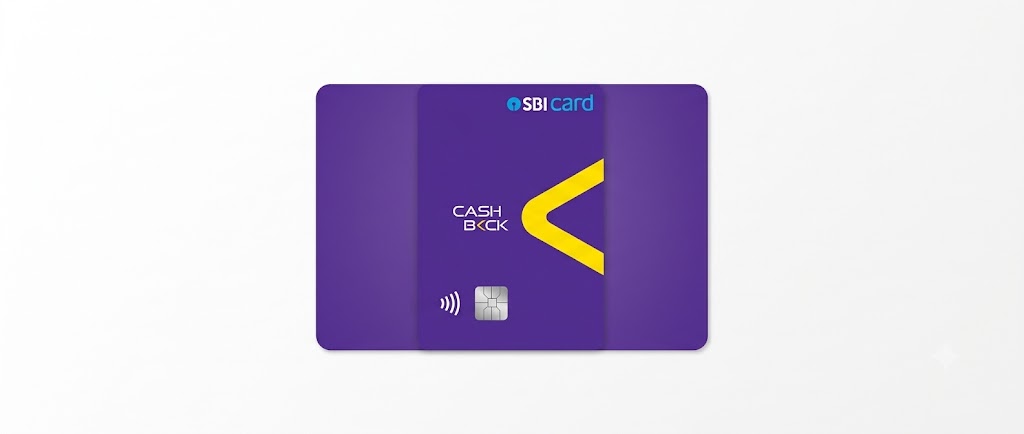
This card pays cashback instead of reward points, which makes the value easier to understand. However, its current cashback caps and exclusions matter.
Fees
The card has a ₹999 annual fee plus taxes. The renewal fee is reversed when annual spends reach ₹2 lakh, subject to the issuer's current terms.
Rewards
5% cashback on eligible online spends, capped at ₹2,000 per statement cycle.
1% cashback on eligible offline point-of-sale spends, capped at ₹2,000 per statement cycle.
Maximum total cashback is ₹4,000 per statement cycle from April 1, 2026.
Eligibility
SBI Card decides approval based on its current eligibility and underwriting criteria. Check the issuer's application page for the latest requirements.
The Catch
Cashback does not apply to several categories. Current exclusions include utility, insurance, fuel, rent, wallet, school and educational services, jewellery, railways, merchant EMI and Flexipay EMI. SBI Card also excludes digital gaming platforms, tolls and government-related transactions under the revised structure.
The exclusion list can change, so check the current SBI Card terms before applying.
Best For
Beginners with high, steady eligible online spending who can comfortably justify the annual fee.
How to Choose Your First Credit Card
The right first card depends more on your spending pattern and eligibility than on the card's headline reward rate.
Have a stable income and mostly shop online? SBI SimplyCLICK can suit you if you can use its online rewards.
Want no annual fee? IDFC FIRST Millennia or Axis Neo can be considered after checking current eligibility.
Have no credit history or income proof? An FD-backed card can be a more accessible starting point.
Mostly use UPI? Consider an eligible RuPay credit card that supports UPI merchant payments.
Spend heavily online? Compare the Cashback SBI Card only after checking its cashback caps, exclusions, and annual fee.
Are you a student without income? An FD-backed card or eligible add-on card may be more realistic than an unsecured card.
Best Credit Cards for Beginners With No Income or Credit History
FD-Backed Credit Cards (Best for No History)
Banks generally assess income and credit history before approving unsecured cards. Without either, an FD-backed card can be a more accessible route. You place a fixed deposit with the issuer, and the card limit is generally linked to the deposit under that issuer's policy. Income-proof requirements can be lower, but KYC and other checks still apply.
IDFC FIRST WOW and other FD-backed cards are examples of this category. Minimum deposits, credit-limit percentages, fees, rewards, and eligibility differ by issuer, so compare the current terms before choosing one.
What to Compare
Minimum FD amount, which differs by bank and card.
Credit limit as a percentage of the deposit.
Annual, joining, and cash-withdrawal charges.
Rewards and redemption terms.
Whether the issuer reports the account to credit bureaus.
The Catch
Your deposit remains subject to the issuer's FD terms while the card is active. Treat the card limit as borrowed money, not income.
Best For
First-time earners, homemakers, students without income, and anyone with no established credit history.
Credit Cards for Students
Applicants Aged 18 and Above
Applicants generally need to be adults, but being 18 or older does not guarantee approval. Students without income usually have fewer unsecured-card options, so a deposit-backed card or an eligible add-on card may be more practical.
If you are a student with no income yet, see these online jobs that pay students weekly.
Add-On Cards for Under 18
If you are under 18, ask a parent about an add-on card on their account. Eligibility and minimum age rules differ by bank.
RuPay Credit Cards on UPI (Best for UPI-First Users)
How Linking Works
A RuPay credit card can be linked to a supported UPI app, allowing eligible merchant payments through UPI. According to NPCI, you can link an eligible card and authenticate merchant payments with a UPI PIN.
What Is Supported
Merchant payments through eligible UPI QR codes are supported. Cash withdrawal at merchants, person-to-person payments, person-to-person merchant payments, and card-to-card payments are not permitted through this functionality. Standard UPI transaction limits and issuer restrictions apply.
NPCI currently lists multiple banks and apps as live for RuPay credit card on UPI, but availability can differ by issuer and app. Check whether your specific card is supported before applying.
Best For
Beginners who pay mostly by UPI and want eligible merchant payments to use their card's credit limit.
Credit Cards You Can Apply for on Zokera
Zokera works with 1100+ brand partnerships and offers shopper cashback and follower cashback. The Stores page also lists credit card offers. These are affiliate programmes, so cashback is paid only when the relevant conditions are met, and the bank approves or processes the application. Several offers are meant for applicants who already have a credit history, so read the conditions before applying.
Axis Credit Card
The Axis Credit Card store page shows cashback of up to ₹1,890, which can vary by card variant and current offer terms.
The store page states a minimum bureau score of 736.
It states an income of ₹40,000 or more per month.
It states that new-to-credit applications are not allowed.
Cashback is shown as payable on card dispatch under the listed offer terms.
Check the live Zokera offer page before applying because cashback, eligibility, and tracking terms can change.
Bank of Baroda Credit Card
The Bank of Baroda Credit Card store page shows cashback of up to ₹975.
Cashback is shown as payable on card activation.
The offer lists an income of 6 LPA or more.
It lists CIBIL requirements of 700 for salaried and 730 for self-employed applicants.
Check the live offer page for the current card variants and eligibility rules.
AU Bank Credit Card
The AU Bank Credit Card store page shows cashback of up to ₹525.
The offer states that cashback is paid after successful account opening with a ₹10,000 deposit.
It lists an age of 25 or above and an income of ₹6 lakh or more.
It lists availability in the top 10 metros, excluding South cities.
These terms belong to the Zokera offer and can change. Confirm the live conditions before applying.
What This Means for a Beginner
If an offer requires a credit score, build your credit history first rather than applying repeatedly.
Apply only when you meet the offer's stated eligibility conditions.
Cashback is "up to", can vary by offer, and may take time to track and confirm.
To see how cashback and deal tracking work in practice, read Telegram deals and cashback.
Credit Card Eligibility and Documents
Eligibility Criteria
Banks may check age, income, employment type, credit history, existing obligations, and KYC. Many unsecured cards have minimum age and income requirements, but these vary by issuer and card.
A higher credit score can improve your chances of qualifying for some unsecured cards, but there is no universal CIBIL score that guarantees approval. An existing banking relationship may help in some cases, but approval still depends on the issuer's eligibility criteria.
If you are self-employed or a freelancer, banks may ask for ITR, bank statements, or other proof of income. Our guide to freelance apps in India covers how to find steady paid work.
Documents Usually Asked For
PAN and Aadhaar
Salary slips or ITR, where applicable
A recent bank statement, where applicable
Under RBI's Master Directions on credit and debit cards, issuers cannot issue unsolicited credit cards without the customer's prior and explicit consent.
Fees and Charges to Check Before You Apply
Joining and annual fee: Check whether a waiver needs a spending target.
Optional fees: Add-on cards, personalisation and UPI-linked features can add cost.
Interest: Credit-card interest can be expensive, so compare the issuer's current annual rate before applying.
Cash withdrawal: Cash advances can carry separate fees and interest terms.
Redemption fee: Some cards charge per redemption.
Forex markup: Check the current markup if you plan to spend abroad.
Taxes: GST applies to applicable fees and interest.
Secured vs Unsecured Credit Cards
Feature | Secured (FD-backed) | Unsecured |
|---|---|---|
What you need | A fixed deposit | Income and usually a credit profile |
Approval | Can be more accessible for new-to-credit applicants | Depends on your profile and issuer policy |
Limit | Usually linked to the deposit | Set by the bank |
Best for | No income or limited history | Applicants who meet income and credit criteria |
How Long Does a First Credit Card Take to Build a CIBIL Score?
A first credit card can help you start building a credit history, but there is no fixed timeline for getting a CIBIL score. It depends on when your issuer reports your account and how much credit information is available.
For beginners, focus on these habits:
Pay on time: Always pay your bill by the due date, preferably in full.
Keep utilisation manageable: Avoid regularly using most of your available credit limit.
Avoid frequent applications: Multiple credit applications within a short period can create additional enquiries.
Give it time: Keeping your first card active and well managed can help build a longer credit history.
CIBIL's newer scoring system can score consumers with less than six months of credit history. So, you do not necessarily need to wait exactly six months for a score.
How to Build Your CIBIL Score With a First Card
Pay the full bill by the due date. Missing payments can seriously hurt your credit profile. Set up autopay if useful.
Keep utilisation low. Staying below 30% is a commonly used guideline, not a CIBIL approval threshold.
Apply for one card at a time. Multiple applications within a short period can create several hard enquiries and may affect your credit profile.
Use the card lightly and regularly. A few manageable purchases each month are enough.
Check your report after the account is reported. New credit accounts can take time to appear.
Common Beginner Mistakes
Paying only the minimum due, which can leave the balance accruing interest.
Spending close to your credit limit.
Withdrawing cash on the card without understanding the fees and interest.
Ignoring optional charges such as UPI-linked or add-on-card fees.
Applying for several cards at once.
Closing your first card without considering how it could affect your credit history and overall utilisation.
Conclusion
Your first credit card is a credit-building tool, not a spending upgrade. Pick the one that matches how you actually spend: a low-cost card like IDFC FIRST Millennia or SBI SimplyCLICK if you meet the issuer's criteria, or an FD-backed card if you have limited income or credit history. Then follow three habits for 6 to 12 months: pay the full bill before the due date, keep utilisation low, and avoid applying for several cards at once.
As your credit history strengthens, you may qualify for cards with better rewards and higher eligibility requirements. You can also check current credit card offers on Zokera, where shopping cashback and follower cashback are available across 1100+ brand partnerships, subject to applicable terms.
For everyday savings in the meantime, learn how to find genuine loot deals. Confirm each bank's current terms before you apply. This guide is for information only and is not financial advice.
Frequently Asked Questions (FAQs)
1. Which is the best credit card for beginners in India?
It depends on your profile. Low-cost cards like the IDFC FIRST Millennia or SBI SimplyCLICK can suit eligible earners, while FD-backed cards can suit applicants with limited credit history.
2. Can I get a credit card with no credit history?
Yes. An FD-backed card can be a more accessible route for a new-to-credit applicant, though approval is still subject to the issuer's requirements.
3. What CIBIL score do I need for a first credit card?
There is no single CIBIL score required for every card. A higher score can improve your chances, but issuers also consider income, credit history, and other criteria.
4. Do I need income to get a credit card?
Not always. Some FD-backed cards can be available without conventional income proof, but most unsecured cards have income requirements.
5. Can students get a credit card?
Students can apply if they meet the issuer's age and eligibility requirements. Without income, an FD-backed card or eligible add-on card may be more practical.
6. Does applying for a credit card hurt my score?
A credit-card application can create a hard enquiry on your credit report. Multiple applications within a short period can have a greater impact.
7. How long until I get a credit score?
Your first account must be reported to a credit bureau before it can contribute to a score. The timing varies with the reporting cycle and your credit history.
8. Is a lifetime-free card better for a beginner?
It can be easier to manage because there is no annual fee, but check for optional charges, reward conditions, and other fees.
9. Is a RuPay UPI credit card good for beginners?
It can suit UPI-first users who want eligible merchant payments through UPI. It does not support person-to-person payments and other restricted transaction types through the credit-card-on-UPI functionality.
10. Can I use Zokera credit card offers as a first-time cardholder?
Only if you meet the specific offer's score, income, and other conditions. Some Zokera offers require an existing credit history or a stated bureau score.
Comments (0)
Be the first to comment.