
.png&w=3840&q=75)
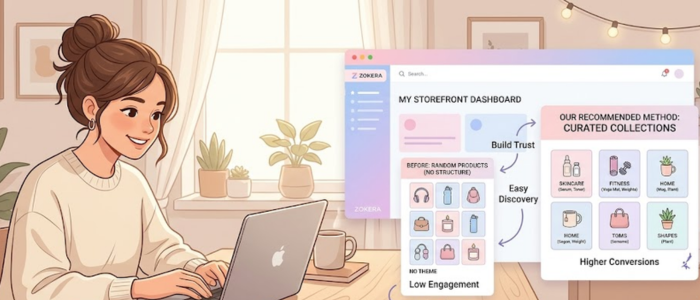
Most creators lose sales not because their audience is small, but because their storefront feels random. When someone lands on your page and sees products that have nothing to do with your content, they leave. But when they see a focused, curated collection that matches exactly what they follow you for, they buy. Building the perfect product collection for your niche is one of the simplest ways to turn your audience’s trust into real income.
If you want to learn how to create a product collection for your niche that actually converts, this guide will walk you through everything step by step.
What Is a Niche Product Collection?
A niche product collection is a curated set of products on your storefront that are specifically chosen for your content theme and your audience's needs. Instead of adding everything you can find, you pick only the products that fit your niche, whether that's fitness, beauty, home décor, food, fashion, or any other space you create.
Think of it as your own mini store, designed specifically for the kind of audience that follows you. A fitness creator might have a collection of gym gear, supplements, and activewear. A food creator might curate kitchen tools, spice brands, and cookware. Every product has a reason to be there.
Why a Curated Collection Converts Better Than Random Links
Random product links dropped into captions or bios might get a few clicks, but they rarely drive consistent sales. Here's why a curated storefront collection works better:
It builds trust: When your product picks match your content, your audience believes your recommendations are genuine.
It improves discoverability: Followers can browse your full collection anytime, not just when you post.
It creates long-term income: A well-built niche collection keeps earning even weeks after you publish a post, because people keep coming back to your storefront.
It makes shopping easy: Your audience doesn't have to hunt for links. Everything is in one place, organized for them.
According to the 2026 Creator Commerce Report, 49% of consumers purchase because of an influencer post, and social commerce is on track to cross $100 billion in 2026.
Step-by-Step Guide to Creating the Perfect Product Collection
Step 1 — Define Your Niche Clearly
Before you add a single product, you need to be clear about what your niche actually is. Many creators skip this step.
Your niche is not just your topic; it's the specific problem you help your audience solve or the specific lifestyle you represent. Ask yourself:
What do my followers come to me for?
What kind of person is my ideal follower?
What would they buy if I recommended it today?
For example, "fitness" is too broad. "Home workouts for busy women" is a niche. "Budget skincare for Indian skin" is a niche. The more specific you are, the easier it becomes to pick the right products.
Use the formula: [Specific Topic] + [Specific Audience]. That gives you your niche in one line, and tells you exactly what products belong in your collection.
If you're just starting, you can also learn how to build an engaged audience that actually buys before creating your product collection.
Step 2 — Understand What Your Audience Actually Buys
Once you know your niche, the next step is understanding your audience's buying behavior. You don't have to guess; the signals are already there.
Look at your comments and DMs: What are people asking about? What products do they mention?
Check what posts perform best: If your skincare reviews get 10x more saves than your fashion posts, your audience is clearly more interested in skincare.
Watch trends in your niche: What products are other creators in your space talking about? What's gaining traction?
Use polls and questions in Stories: Directly ask your followers what they want to see on your storefront.
This research can take less than 30 minutes, but it can completely change what actually sells from your collection.
Step 3 — Match Products to Your Content
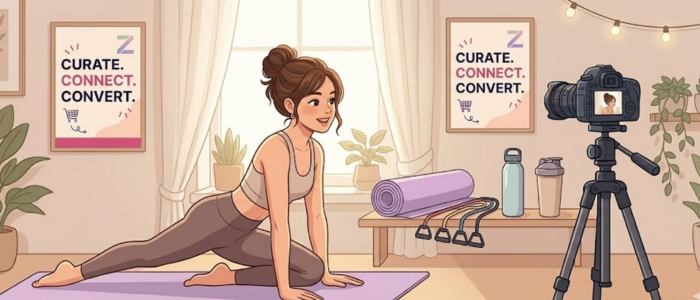
The most important rule for building a niche product collection: every product should connect to something you create content about.
If you make videos about home workouts, your collection should have resistance bands, yoga mats, and fitness bottles, not random kitchen gadgets. If you post skincare routines, your collection should have cleansers, serums, and sunscreens, not travel accessories.
The connection between your content and your products is what makes your recommendation feel authentic. Your audience doesn't want to be sold to. They want to shop from someone they trust, and that trust is built through consistency.
A practical way to do this: go through your last 10 posts and write down every product you mentioned, used, or could have recommended. That list is your starting point for building your collection.
Step 4 — Add the Cashback Advantage for Your Followers
One of the most powerful things you can offer your audience is not just a product recommendation, it's a real benefit on top of it. With Zokera, your followers get cashback on purchases made through your storefront. This is a huge advantage that most creators don't have on other platforms.
When you tell your audience, "Shop from my Zokera storefront and get cashback on every purchase," you give them a reason to buy through your link over any other. It's not just about your recommendation anymore; it's about saving money, too. This directly increases your conversion rate because you're adding real value to the shopping experience.
Make sure you mention the cashback benefit in your content. Put it in your bio, your captions, your Stories. It's one of the easiest ways to drive more clicks to your storefront.
Step 5 — Organize Your Collection Into Categories
A niche collection doesn't mean everything has to be in one big list. Organize your products into sub-categories to make browsing easier and to keep your storefront looking professional.
For example, if you're a beauty creator:
Skincare Essentials
Makeup Must-Haves
Hair Care Picks
Budget Finds Under ₹500
If you're a fitness creator:
Home Workout Gear
Supplements & Nutrition
Activewear
Recovery & Rest
Good organization helps your followers find exactly what they're looking for quickly. The less effort they need to make, the more likely they are to buy.
On Zokera, you can set up a fully customizable storefront and organize products the way that works best for your niche. With 1000+ brand partnerships available on the platform, there are enough options to build a well-rounded, niche-specific collection across any category.
Step 6 — Keep Refreshing Your Collection
Building your collection once and leaving it is the most common mistake creators make. A stale storefront with the same products for months signals to your audience that you're not actively curating for them.
Set a reminder to review your collection at least once a month. Things to update:
Seasonal products: Swap out winter picks for summer ones. Add festival collections before the festive season.
Trending products: If a product is blowing up in your niche right now, add it.
Remove low-performers: If a product has been in your collection for months and nobody is clicking it, replace it with something better.
New brand partnerships: As you grow on Zokera, new brand opportunities open up. Keep exploring and adding fresh picks.
A regularly updated storefront also gives you fresh content to share; every update is an opportunity for a post, a Story, or a Reel.
Types of Product Collections You Can Create
1. Everyday Essentials: Daily-use products your audience always needs. These collections drive repeat purchases because they solve ongoing needs.
2. Seasonal / Festival Collection: Diwali, summer, back-to-college picks. Perfect for creating timely content and boosting short-term sales spikes.
3. Budget-Friendly Picks: Products under a price point like ₹500. Works extremely well for Indian audiences who are price-conscious.
4. Starter Kit: "Home Workout Starter Kit" or "Basic Skincare for Beginners." These convert highly because they solve a complete problem in one go.
5. Gift Guide: Curated gifts by occasion or person. High traffic and strong buying intent during festive seasons.
6. Brand Collab Collection: Dedicated space for a brand you've partnered with. Builds credibility and keeps your storefront aligned with your collaborations.
ALSO READ: 5 Ways to Earn Money on Zokera Without a Huge Following
Popular Niches and Collection Ideas for Creators
Here are some niche product collection ideas to get started:
1. Fitness & Wellness: Yoga mats, resistance bands, protein supplements, fitness trackers, water bottles, and activewear sets.
2. Beauty & Skincare: Sunscreens, serums, face washes, makeup brushes, lip products, hair oils, face masks.
3. Fashion & Style: Everyday basics, accessories, ethnic wear, footwear, sustainable fashion picks.
4. Home & Lifestyle: Organisers, kitchen essentials, home décor, cleaning tools, bedroom accessories.
5. Food & Nutrition: Healthy snacks, cooking tools, spice collections, meal prep containers, recipe books.
6. Tech & Gaming: Phone accessories, earphones, laptop stands, LED lighting, gaming peripherals.
7. Mom & Kids: Baby care essentials, educational toys, feeding products, kid-safe skincare.
ALSO READ: What Brands Look for When Choosing a Creator to Work With
Common Mistakes to Avoid
No niche connection: Adding products unrelated to your content, your audience will ignore them.
Commission over relevance: Picking products only for commission, not because they fit your niche.
Missing the cashback angle: Not mentioning the cashback benefit your followers get on Zokera purchases.
One-time setup: Setting up your storefront once and never updating it.
Inconsistent promotion: Sharing your storefront link only once, put it in your bio, captions, and Stories consistently.
Real Example of a High-Converting Collection
A fitness creator focusing on home workouts might create a collection like:
- Resistance bands
- Yoga mat
- Skipping rope
- Protein supplements
- Workout bottle
Instead of adding random products, every item supports the same goal: working out at home. This clarity makes it easier for followers to trust the collection and make a purchase.
How to Test and Optimize Your Collection
1. Track clicks: See which products get clicks and which don't. Replace low performers monthly.
2. Test collection names: "My Daily Skincare Picks" vs. "Skincare Routine" can perform very differently.
3. Promote different products: Don't always feature the same item. Rotate products across your posts to test what drives more storefront visits.
4. Ask your audience: A quick Stories poll ("Should I add gym gear to my collection?") gives you direct data.
5. Use seasonal timing: Add relevant products 2–3 weeks before a festive season or trend spike.
Tools and Platforms to Build Your Collection
Zokera Storefront: Fully customizable, 1000+ brand partnerships, cashback for followers, built for Indian creators.
Google Trends: Check if a product is trending before adding it.
Instagram Insights: High saves = high purchase intent. Use this to decide what to feature.
Pinterest: Research which product aesthetics and categories are trending in your niche.
The creator storefront market is growing at 21.6% annually, which means now is the right time to build and optimize your niche collection before this space gets more competitive.
Final Tips for Long-Term Success
1. Stay deep in your niche. The more focused your collection, the better it converts.
2. Update your storefront every month; stale collections lose trust.
3. Always remind your audience about the cashback benefit on Zokera purchases.
4. Treat your storefront like a content pillar, not a one-time setup.
You can also explore our guide on monetizing your audience for more strategies.
Conclusion
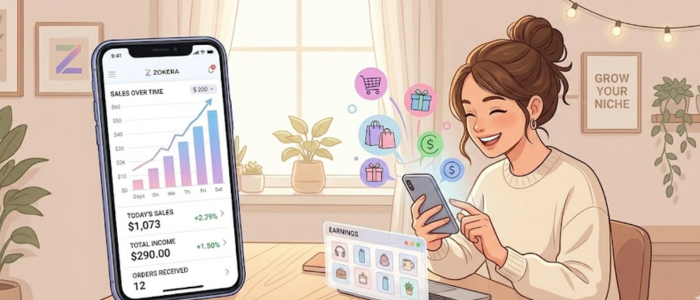
Building the perfect product collection for your niche is not about adding more products; it's about adding the right ones. When your storefront reflects your content and your audience’s real needs, it becomes a trusted place to shop.
Start by picking your niche, add your first 10–15 products, organize them into clear collections, and publish your storefront on Zokera today. The sooner you start, the sooner your content can begin generating consistent income.
ALSO READ:
- Zokera Auto-DM: Turn Every Instagram Comment Into a Sale
- How to Set Up Your Zokera Creator Storefront in Minutes
- How to Get Brand Collaborations as a Small Creator in 2026
- How to Make Money from Your Social Media Following in India
Frequently Asked Questions
Q1. What products should I add to my niche storefront?
Add products that relate to your content and that your audience would actually use. Start with 10–15 focused picks.
Q2. How many products should a creator's collection have?
10–20 well-chosen products are ideal. Focused always performs better than random.
Q3. How do I know which niche products my audience will buy?
Check your top posts, read your DMs, and run Stories polls. Your audience is already telling you.
Q4. Can I have multiple collections on my storefront?
Yes. Organizing products into separate collections by category makes browsing easier and increases purchases.
Q5. How does a product collection help me earn more?
Your Zokera storefront keeps working even when you're not posting. Followers can browse, earn cashback, and buy anytime.
Comments (0)
Be the first to comment.