
.png&w=3840&q=75)
You don't need 100,000 followers to land brand collaborations in 2026.
That's the old playbook, and brands have moved on. Today, a creator with 3,000 highly engaged followers in a specific niche can be more valuable to a brand than a mega-influencer with a passive, scattered audience. The rules have shifted. Authenticity, niche authority, and real audience trust are what brands are actively paying for right now.
This guide gives you a complete, step-by-step strategy to get brand collaborations as a small creator in 2026, from building your profile to pitching brands, using the right platforms, and turning your first deal into many more.
What are brand collaborations for small creators?
Brand collaborations are partnerships where creators promote a brand’s product or service in exchange for payment, commission, or free products.
In 2026, even small creators can secure these deals by focusing on niche content, audience trust, and performance-driven results.
Why Small Creators Are Getting More Brand Deals in 2026
The creator economy is larger than ever. In 2026, approximately 300 million people globally identify as content creators, and brands are no longer chasing the biggest names in the room.
Here’s why small creators are in demand:
1. Higher Engagement Rates
Nano influencers (1K–10K followers) often achieve 2–3%+ engagement rates, which is significantly higher than large creators.
2. Stronger Audience Trust
Consumers trust creators more than ads. When a small creator recommends a product, it feels personal and authentic.
3. Better ROI for Brands
Paid ads are getting expensive. Brands now prefer creators who can deliver real conversions instead of just impressions.
The shift is clear. Small creators who know how to position themselves are landing deals that used to go only to influencers with massive followings.
Step-by-Step Guide to Get Brand Collaborations in 2026
Step 1: Define Your Niche and Own It Completely
Before you approach a single brand, you need to answer one question: What do I stand for?
Brands don't look for creators who post everything. They look for creators who own a specific space, such as skincare, budget travel, home decor, fitness for new moms, and tech for students. The narrower your niche, the more valuable you become to the right brand.
How to nail your niche:
Pick one primary topic and post consistently within it for at least 60 days
Write your bio so that a stranger knows exactly what your content is about in 5 seconds
Make sure your last 9 posts visually communicate your niche without reading a single caption
A clear niche also helps AI search engines and brand discovery tools categorize you accurately, which, in 2026, matters more than ever.
Step 2: Make Your Profile Brand-Ready
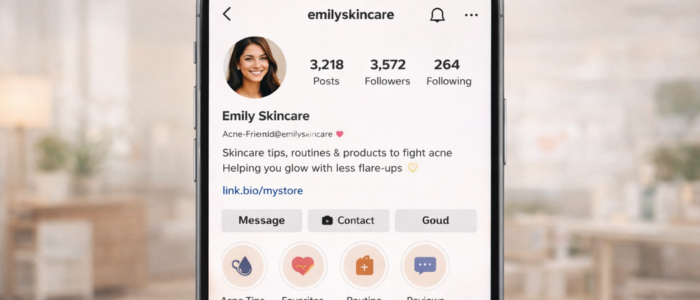
Think of your social profile as your first pitch. Please have the brands check it before they check anything else.
Your profile needs:
A clean, professional bio with your niche + who you serve
Consistent content aesthetic (colors, tone, format)
Highlights or pinned posts that show your best work
A link in bio that leads somewhere useful, not just your homepage
This is where having a customizable storefront like Zokera gives you a real edge. Your Zokera storefront becomes a professional landing page that showcases your curated product picks, your niche, and your creator brand all in one link.
When a brand clicks your bio link and sees an organized, active storefront, it immediately signals that you're serious. Your followers and shoppers can also earn cashback on purchases made through your storefront, which shows brands that your audience is actually engaged and buying.
Step 3: Build a Simple But Strong Media Kit
A media kit is your one-page resume. Brands need this before partnerships. Update it quarterly with new data.
Even if you're just starting, a basic media kit makes you look professional. You don't need a design agency. Canva has free templates that work perfectly.
Your media kit should include:
Your name, niche, and platforms
Follower count and, more importantly, engagement rate
Audience demographics (age, location, interests)
Past collaborations or UGC work (even unpaid ones count)
Your rates or collaboration types you're open to
Quick tip: An engagement rate above 3% is excellent in 2026. Calculate it as: (total likes + comments) ÷ followers × 100. If your number is strong, lead with it. It matters more than your follower count right now.
Step 4: Start With Affiliate and Performance-Based Collaborations
Most beginner creators make one mistake: they wait for a paid deal before building any proof of performance. Don't do that.
The smartest entry point into brand collaborations is performance-based or affiliate partnerships. These are deals where you earn commission on every sale you drive, with no upfront payment required from the brand, which means much lower resistance to saying yes.
This approach works because:
1. It builds real sales data you can show future brands.
2. It proves your audience trusts your recommendations enough to buy.
3. It gets you inside brand ecosystems, which often leads to paid deals later.
Zokera is built exactly for this. With access to 1000+ brand partnerships, you can add products to your customizable storefront and start driving sales from day one, regardless of your follower count. Every sale you generate becomes data. And data is what closes paid brand deals.
ALSO READ: What Is Zokera and How Does It Work?
Step 5: Find Brands That Are Already Looking for Small Creators
You don't always have to cold-pitch. Many brands are actively searching for nano and micro creators right now.
Where to find brand collaboration opportunities in 2026:
Creator commerce platforms like Zokera: brands list campaigns you apply to, and earn on performance
Influencer marketplaces: platforms where brands post open campaigns for creators to apply to
Brand ambassador programs: many D2C (direct-to-consumer) brands run ongoing ambassador programs specifically for small creators
Instagram and LinkedIn: search "[brand name] + collab" or "[brand name] + creator program" directly
It's less about having a massive follower count and more about cultivating authentic engagement, owning a strong niche, and knowing exactly where to look for opportunities. Many brands are actively searching for creators to generate authentic user-generated content (UGC).
Step 6: Pitch Brands the Right Way
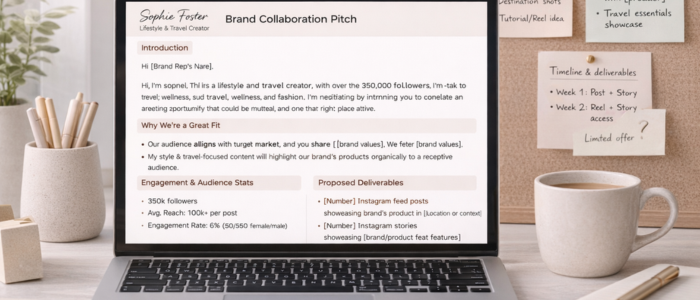
When you're ready to pitch directly, the biggest mistake creators make is making the email about themselves. Flip it, make it about the brand.
A winning pitch email structure:
1. One-line intro of who you are and your niche
2. Why their product fits your audience, be specific, not generic
3. Your key stat engagement rate, storefront sales, or a past win
4. What you're proposing, be clear about deliverables (1 Reel, 3 stories, etc.)
5. CTA asks for a quick call or invites them to view your media kit
Keep it under 150 words. Brand managers get hundreds of pitches a week. Short, specific, and relevant always wins.
What to avoid:
Starting with "I love your brand" (every pitch says this)
Vague deliverables like "I'll create content for you."
Asking about rates before proposing value
Step 7: Use Your Sales Data as Your Biggest Pitch Asset
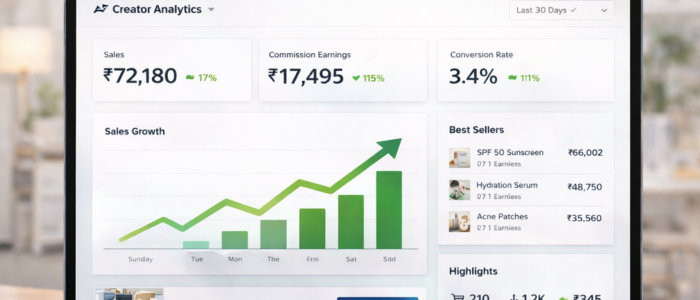
This is the content gap most blogs miss entirely, and it's one of the most powerful moves a small creator can make in 2026.
Once you've made even a handful of sales through your affiliate or storefront links, you have something most big influencers can't offer: proof of conversion.
Take that data and lead with it. "My audience made 47 purchases through my storefront link last month" is more compelling to a brand than "I have 12,000 followers." One is vanity. The other is revenue.
Zokera's creator dashboard gives you real-time commission and sales tracking, which means you can screenshot your numbers, build your pitch around them, and approach brands from a position of strength, not hope.
Step 8: Deliver, Then Ask for Long-Term
One collaboration done well is worth more than ten cold pitches. When you land a brand deal, paid or performance-based, treat it like the beginning of a relationship, not a one-time transaction.
Long-term creator relationships generate 70% higher engagement, and 71% of influencers offer discounts for ongoing partnerships, making sustained collaborations more cost-effective for brands.
After your first deliverable, send a performance summary of link clicks, sales driven, story views, and DM responses. Then ask if they'd like to continue. Most brands will say yes if the first collab performed.
2026 Trends Small Creators Should Know
AI-powered brand discovery: Brands are now using AI tools to find creators by niche, not just follower count. Your content's keywords and topics matter more than ever.
Creator storefronts over link-in-bio: A curated storefront is the new standard. It shows brands you're commerce-ready, not just content-ready.
UGC demand is exploding: A creator with 5,000 followers who gets 300 comments per post can be more valuable than someone with 100,000 silent followers. Brands are paying for authentic content, not just reach.
Performance-based deals are the new normal: Brands want proof of ROI before committing to big paid deals. Start there, build the data, then negotiate.
Conclusion
Landing brand collaborations as a small creator in 2026 is 100% possible; you just need the right strategy and the right platform. Start with your niche, build your proof, and let your results speak louder than your follower count.
Zokera makes it simple. Get access to 1000+ brand partnerships, launch your customizable storefront, and start earning commission while your followers enjoy cashback on every purchase.
👉Join Zokera for Free and Land Your First Brand Deal Today.
ALSO READ:
- How Instagram Influencers Can Monetize Using Zokera (2026)
- Best Creator Commerce Platform in India 2026
- How to Set Up Your Zokera Creator Storefront in Minutes
- Affiliate Marketing for Beginners
FAQs: How to Get Brand Collaborations as a Small Creator
Q1. Can small creators get brand collaborations?
Yes. Brands in 2026 prefer small creators with high engagement over big accounts with passive audiences. Niche, trust, and conversions matter more than follower count.
Q2. How many followers do I need for brand deals?
There's no minimum. Even creators with 1,000 followers land collaborations if they have a clear niche, strong engagement, and proof of sales.
Q3. How do I pitch a brand as a small creator?
Keep it short. Share your niche, one strong stat, and exactly what you're offering. Make it about the brand's benefit, not your follower count.
Q4. What do brands look for in a small creator?
Niche clarity, consistent content, engagement rate above 3%, and proof that your audience actually buys, like storefront sales data.
Q5. Which platform is best for brand collaborations in India?
Zokera. It gives small creators instant access to 1000+ brand partnerships, a customizable storefront, and a sales dashboard to build real pitch data, all for free.
Comments (0)
Be the first to comment.